
Writing

Long-form essays, written from inside the work.

I write from the position of someone who built before the rules existed, then helped write the rules. No em dashes, no borrowed frameworks, and always a named first-person stake in the argument.

The Sovereign Architect

The Blueprint Trilogy

In 2019 I wrote three essays trying to answer a question I couldn't yet close: did Ghana have a technology transformation blueprint, a single document naming where the country was going and why, or were we improvising our way through a decade of digital ambition with no map? I have the answer now, because I went on to write that document myself. This trilogy returns to the original argument with the benefit of having built the thing it was reaching for.

Cinematic architectural blueprint and cornerstone image for The Blueprint Question
Essay I of II

The Blueprint Question

A Nation's Search for a Digital Vision It Didn't Yet Have

"A government that spends without a blueprint is not neutral. It is simply granting primacy to someone else's blueprint, usually written for a different economy entirely, by default rather than by decision."

In 2019 I asked a question I couldn't answer: did Ghana have a technology transformation blueprint, or were we improvising our way through a decade of digital ambition with no map? I have the answer now, because I ended up writing the document myself.


Layered rock strata image for The Sequencing Argument
Essay II of II

The Sequencing Argument

Champions, Enclaves, Hubs, and the Open Stack That Resolves Them

"I named all three in 2019. What I got wrong was treating them as competitors, when the real lesson of the years since is that they are layers, and the failure mode is picking one and discarding the other two."

Governments building a technology sector from the top down tend to reach for one of three theories, champion, enclave, or hub, usually without naming which one they've picked. This essay corrects the framing I offered in 2019, sets out how the three actually sequence, and closes with the open-stack argument for what a government should build once that sequencing is right.

From the Archive

Older arguments, rebuilt for now.

A second project revisits essays first written between 2009 and 2021, rebuilt in current voice with current data. The first two pieces are below; eight more are in progress.

An empty factory floor with a discarded ribbon and stacked chairs, symbolising The Commissioning Trap essay
Archive Revival · Piece 1 of 10

The Commissioning Trap

How Many Times Will Ghana Mistake a Ribbon-Cutting for a Nation-Building Strategy?

"A nation's capacity is measured less by how many factories it opens than by how many are still running once the cameras have moved on to the next one."

In 2019 I argued that manufacturing alone could not resolve Ghana's economic challenges, and that the country's instinct to answer every development question with a factory was mistaking the visible for the viable. This rebuilt essay traces the same mechanism across four governments and seventy years.

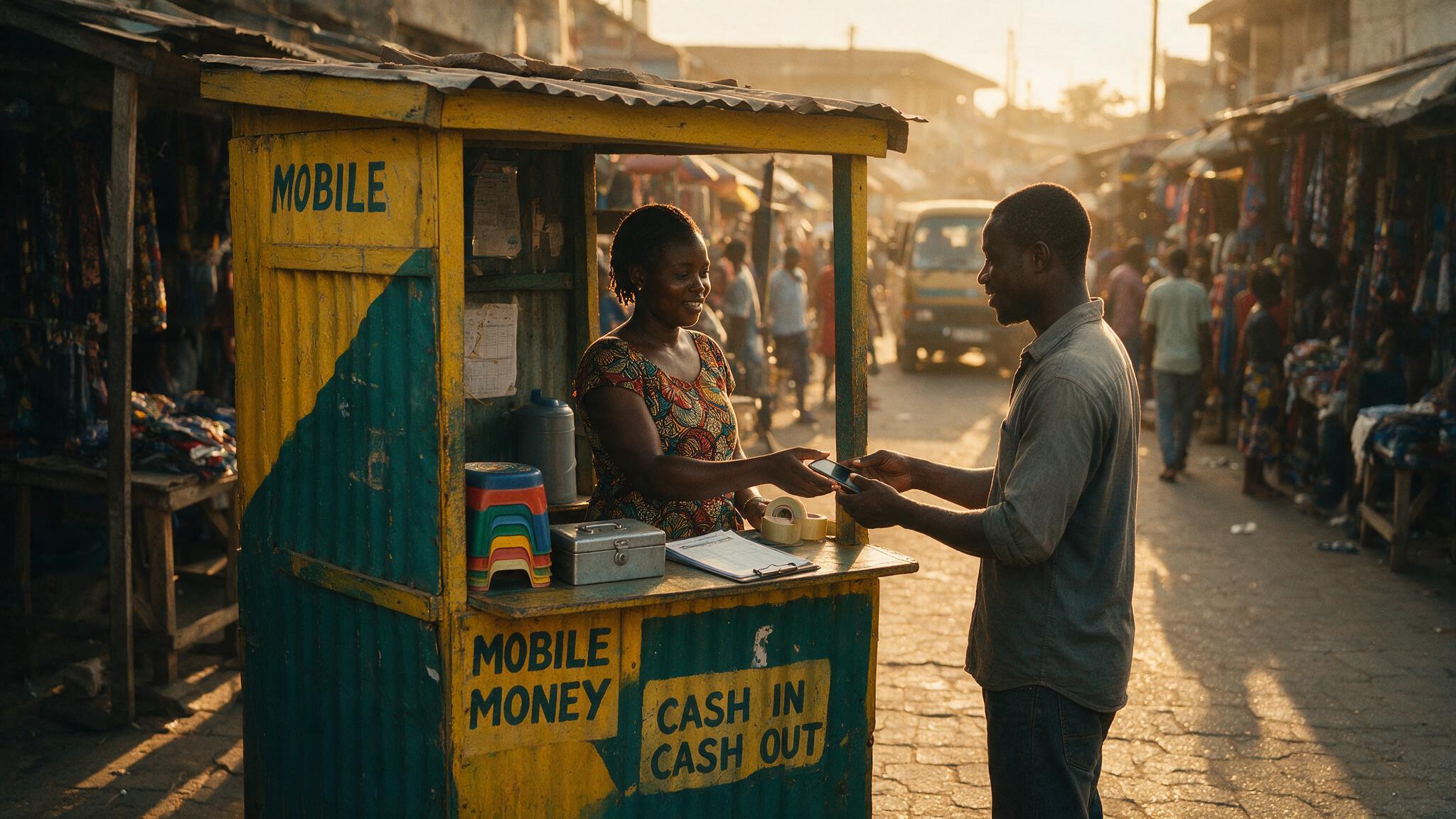
A mobile money agent hands a smartphone back to a customer at a roadside kiosk in an Accra market at golden hour
Archive Revival · Piece 2 of 10 Publishes 21 Aug 2026

The Single-Sided Trap

Why Can't the Market Woman Borrow Against the Money She Moves by Phone?

"A market can scale far beyond any founder's imagination while still declining to build the half of itself that was actually asked for."

In 2011 I argued Ghana's mobile money providers were building the wrong half of the market. Fourteen years of data settle the question: transfers won, merchant payments never arrived, and the gap between being paid and being made financially visible is still where the real opportunity sits.

Derrydean Dadzie writing at his desk

Most of what appears below starts as a longhand note before it becomes an argument, then a draft, then something I am willing to put my name to.

Long-form essay
~3,800 words

The $384.7 Billion Architecture

How Ghana built a digital payments market

"In 2008, before Ghana had anything resembling a functional digital payments market, we sold scratch cards. […] We manufactured that bridge ourselves, because there was no other way through the gap."

Written from inside DreamOval's founding and Derrydean's later chairmanship of the Ghana Chamber of Technology, this essay traces the fifteen-year regulatory sequence, from the 2008 Branchless Banking Guidelines through the 2019 Payment Systems and Services Act, that turned Ghana into a market processing an estimated $384.7 billion a year. It introduces two coined concepts: regulatory market-creation, the idea that a regulator can constitute a market before any actor can capture it, and the permission tax, the portion of a founding team's time consumed by institutional navigation rather than product-building. Comparative cases from Kenya, South Africa, and Nigeria show what happens when the sequence goes differently.

Policy essay
~2,900 words

No Economy Needs More Hours. Every Economy Needs More Roles.

Why developing economies consistently misdiagnose the employment problem

"Every government with a jobs problem eventually reaches for the same instrument: more activity extended across more time."

A structural critique of Ghana's 24-Hour Economy and Accelerated Export Development Programme, and of the broader policy reflex it represents. Argues that hour-extension policies consistently miss an architectural layer beneath the premise, and proposes what that layer actually requires.

Policy essay
~2,400 words

Strategy Before Rules

A new playbook for governing emerging technology

"The world's most advanced economies are writing rules for technologies they are still learning to understand. Developing economies are copying those rules before they have built the institutional infrastructure those rules were designed to protect."

A seven-pillar framework for governments regulating AI and emerging technology from a position of strategy rather than fear, replacing the reflex to borrow rules with the discipline to build institutional capacity first.

Long-form
essay

Ghana Does Not Have a Jobs Problem

A structural reframing of Ghana's employment debate

A companion argument to the roles-versus-hours essay, examining what Ghana's labour market data actually shows once the debate moves past headline unemployment figures.

Policy
framework

Manifesto for Digitalisation and Communication

A programme-level framework for national digital and communications strategy

A working policy framework setting out recommended digitalisation programmes and initiatives, developed alongside Ghana's national digital economy work.

Recognition

This work has been read.

Prior writing and interviews have been cited or featured in Harvard Business Review, Der Spiegel, The Africa Report, Pulse Kenya / Business Insider Africa, How We Made It in Africa, Weetracker, and the official proceedings of the BIS/FIBAC International Banking Conference, where my contribution was cited by the Deputy Governor of the Reserve Bank of India.

The Shelf

What shapes how I think, not a highlight reel.

A working selection from decades of reading, scripture, strategy, and the fields I advise in, not the full shelf, and not a log of this week's nightstand.

Foundation
The Bible cover

The Bible

NKJV, Maxwell Leadership Bible

The Complete Sermons cover

The Complete Sermons

John Wesley

The Road Less Traveled cover

The Road Less Traveled

M. Scott Peck

Strategy & Innovation
Good to Great cover

Good to Great

Jim Collins

Thinking, Fast and Slow cover

Thinking, Fast and Slow

Daniel Kahneman

Zero to One cover

Zero to One

Peter Thiel

The Innovator's Dilemma cover

The Innovator's Dilemma

Clayton M. Christensen

Blue Ocean Strategy cover

Blue Ocean Strategy

W. Chan Kim & Renée Mauborgne

Architecture, Data & Policy
Enterprise Architecture for Digital Business cover

Enterprise Architecture for Digital Business

Tushar K. Hazra

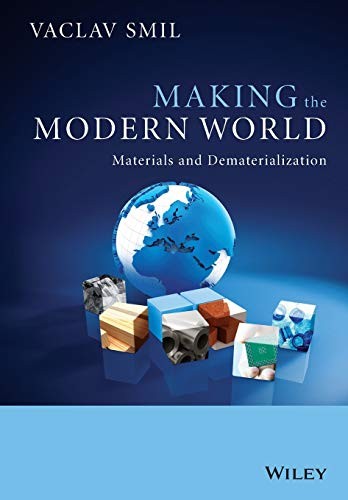
Making the Modern World cover

Making the Modern World

Vaclav Smil

The Entrepreneurial State cover

The Entrepreneurial State

Mariana Mazzucato

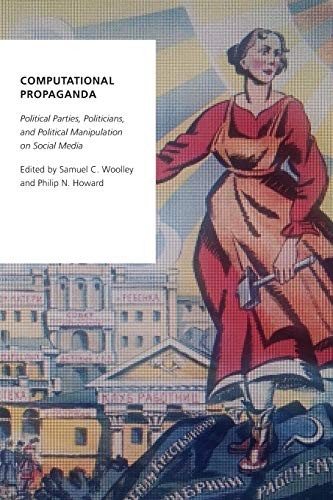
Computational Propaganda cover

Computational Propaganda

Samuel C. Woolley

Digital Transformation cover

Digital Transformation

Siu Loon Hoe

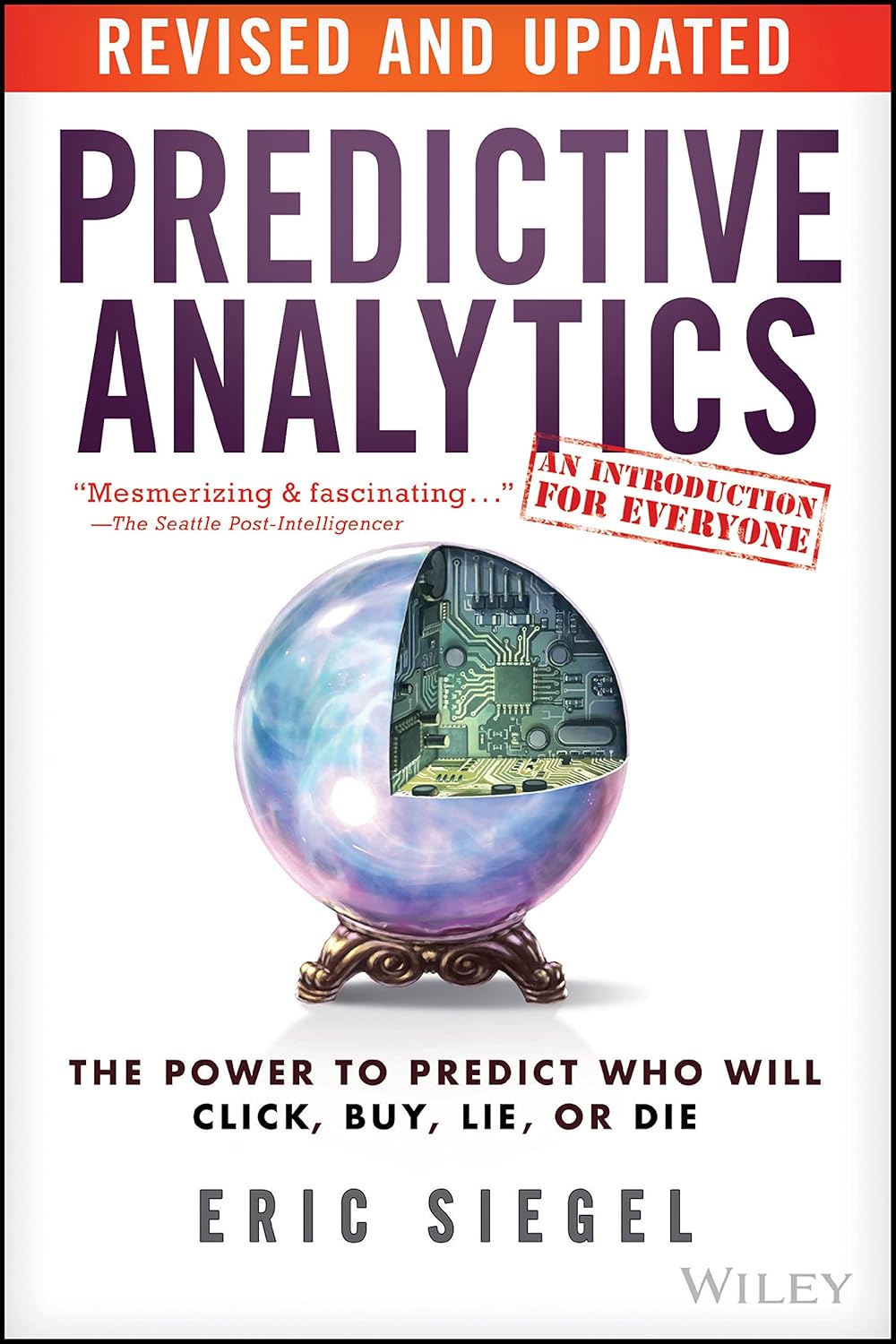
Predictive Analytics cover

Predictive Analytics

Eric Siegel

Technological Revolutions and Financial Capital cover

Technological Revolutions and Financial Capital

Carlota Perez

Fintech
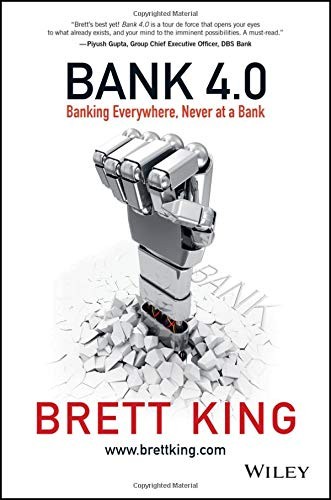
Bank 4.0 cover

Bank 4.0

Brett King

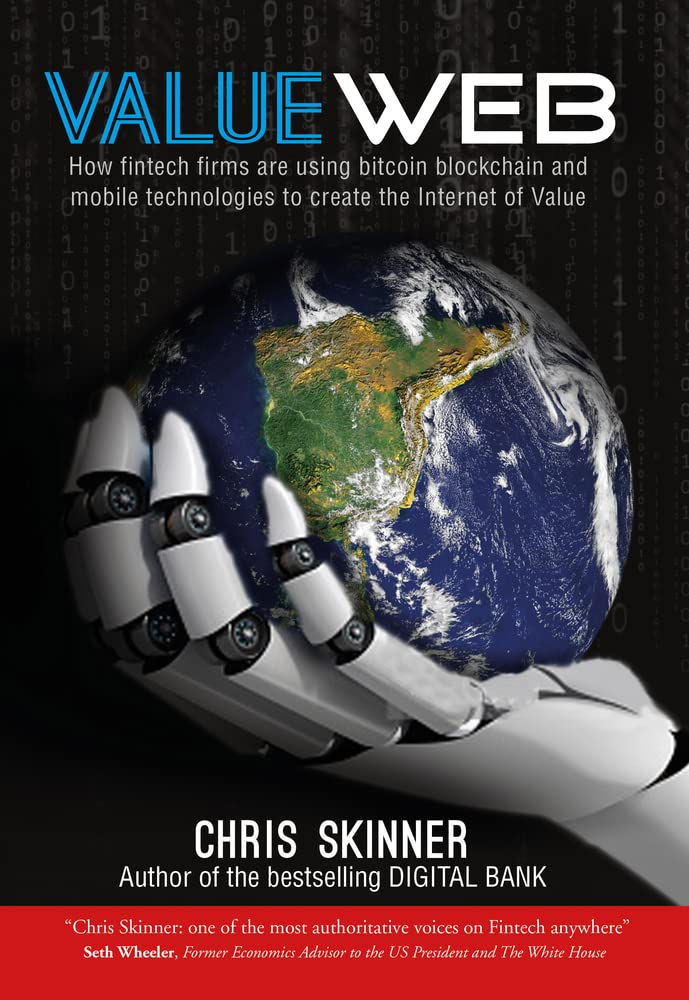
VALUEWEB cover

VALUEWEB

Chris Skinner

Leadership & Institutions
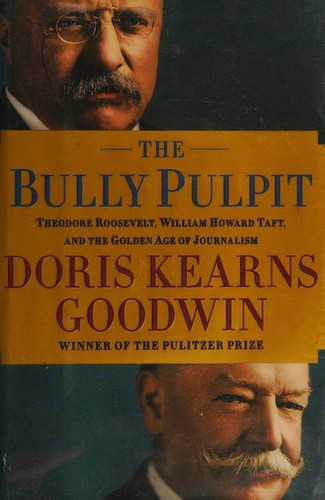
The Bully Pulpit cover

The Bully Pulpit

Doris Kearns Goodwin

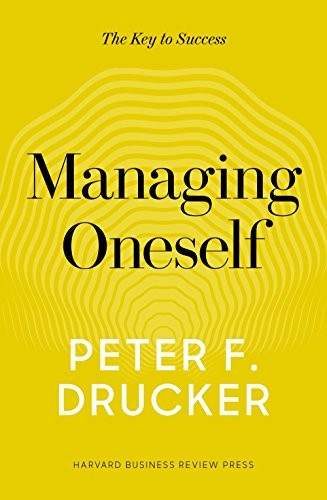
Managing Oneself cover

Managing Oneself

Peter Drucker

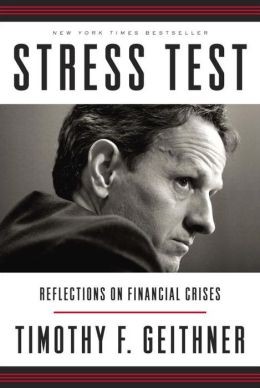
Stress Test cover

Stress Test

Timothy F. Geithner

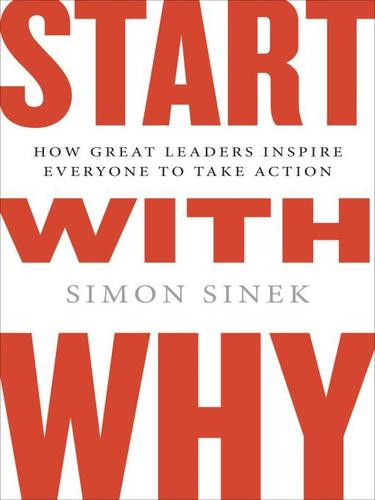
Start with Why cover

Start with Why

Simon Sinek

David and Goliath cover

David and Goliath

Malcolm Gladwell

Direct Lines

Two ways in, no generic contact form between us.

Most of my thinking gets sharper in conversation with someone who disagrees, or who is closer to a problem than I am. If you're working on something adjacent to the essays above, pick a track below. If you'd rather send a book or an invitation, that panel sits right next to it, neither one is the "main" option.

Co-write

Co-author an essay

You bring a live data point, case, or dispute; I bring the framework and the drafting. Best for a sharp, narrow argument, not a survey piece.

Pressure-test

Stress-test an idea

Send a policy position, a venture thesis, or a strategy memo. I'll read it as a critic, not a cheerleader, and tell you where it breaks.

Spar

Product & platform sparring

A working session on a product or platform decision: architecture, sequencing, or go-to-market. Informal, working-notes level, not a paid engagement.

Collaborate on an idea

Direct Line

Send the idea directly

Goes straight to my inbox, tagged with whichever track you pick.

Opens your email client with this pre-filled. If nothing opens, email [email protected] directly.

Recommend a book, or invite me

Direct Line

See something missing from the list above? This goes straight to my inbox: a book worth my time, or an invitation to your book club, reading group, or association.

Opens your email client with this pre-filled. If nothing opens, email [email protected] directly.

Enquiries

For syndication, commissions, or interviews

Quick WhatsApp Collaborate on an Idea Recommend a Book